

Discover the Types of Precious Metals
When you think about investing in precious metals, it’s important to understand the different types available. Each metal has unique qualities, uses, and values. Knowing these can help you make smarter decisions when buying or selling. In this post, I will guide you through the main types of precious metals, their characteristics, and why they matter.
Understanding the Types of Precious Metals
Precious metals are rare, naturally occurring metallic elements that have high economic value. They are often used for investment, jewellery, and industrial purposes. The most common types include gold, silver, platinum, and palladium. Each metal offers different benefits and risks.
Gold is the most well-known precious metal. It has been a symbol of wealth and security for centuries. Gold is durable, does not corrode, and is easy to trade. Silver is another popular choice. It is more affordable than gold and has many industrial uses, especially in electronics and solar panels.
Platinum and palladium are rarer and often used in automotive catalytic converters and jewellery. They tend to be more volatile in price but can offer good diversification for your portfolio.
If you want to explore more about these metals, you can check out the precious metals types available for purchase.

Gold bars are a classic form of precious metal investment.
What are the 9 precious metals?
You might be surprised to learn that there are nine metals generally classified as precious. These include:
Gold - Known for its bright yellow colour and high value.
Silver - Shiny and white, silver is widely used in coins and jewellery.
Platinum - A dense, silvery-white metal, prized for its rarity.
Palladium - Similar to platinum but lighter and often used in catalytic converters.
Rhodium - A rare, silvery-white metal used in automotive and industrial applications.
Iridium - One of the densest metals, highly resistant to corrosion.
Osmium - Very dense and hard, used in specialised industrial processes.
Ruthenium - Used in electronics and as a catalyst.
Rhenium - Rare and used in jet engines and high-temperature turbines.
Each of these metals has unique properties that make them valuable in different ways. For example, rhodium and iridium are extremely rare and expensive, but they are less commonly traded by everyday investors.
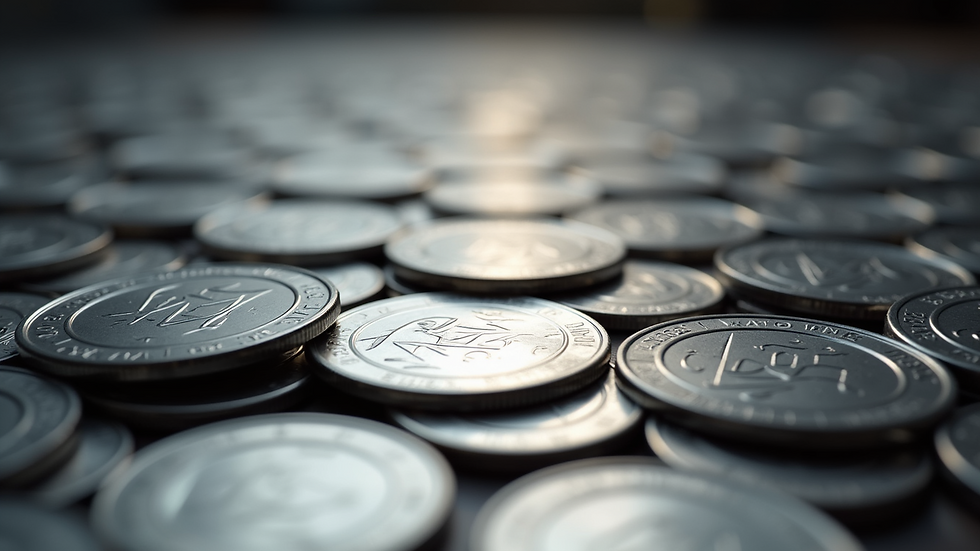
Silver coins are a popular choice for both collectors and investors.
Why Invest in Precious Metals?
Investing in precious metals offers several advantages. First, they act as a hedge against inflation. When currency values drop, metals like gold and silver often hold their value or even increase. This makes them a safe place to store wealth.
Second, precious metals provide portfolio diversification. They often move independently of stocks and bonds, reducing overall investment risk. Third, metals like gold and silver are highly liquid. You can buy or sell them easily through dealers or online platforms.
Finally, owning physical metals gives you a tangible asset. Unlike digital investments, you can hold gold bars or silver coins in your hand. This can provide peace of mind during uncertain economic times.
If you are considering buying precious metals, it’s wise to research the different types and understand their market trends. You can find a variety of options at trusted dealers like SJWBullion.

Platinum bars are a valuable but less common investment option.
How to Choose the Right Precious Metal for You
Choosing the right precious metal depends on your goals, budget, and risk tolerance. Here are some tips to help you decide:
Set your investment goals: Are you looking for long-term security, short-term gains, or portfolio diversification?
Consider your budget: Gold is more expensive per ounce than silver, so silver might be better for smaller investments.
Understand market trends: Prices of metals can fluctuate based on supply, demand, and economic conditions.
Think about liquidity: Gold and silver are easier to buy and sell than some rarer metals.
Storage and security: Physical metals require safe storage, whether at home or in a secure facility.
For beginners, gold and silver are usually the best starting points. They are widely recognised and easy to trade. As you gain experience, you might explore platinum or palladium for added diversity.
Where to Buy and Sell Precious Metals Safely
Buying and selling precious metals should be done through reputable dealers. Look for companies with transparent pricing, good customer reviews, and secure shipping options. Online platforms like SJWBullion offer a wide range of products, from gold bars to silver coins, with clear information and trusted service.
When purchasing, check for authenticity certificates and understand the premiums over spot prices. When selling, compare offers from multiple dealers to get the best price.
Remember, investing in precious metals is about patience and knowledge. Take your time to learn and choose wisely.
Exploring the different types of precious metals can open up new opportunities for your investment portfolio. Whether you prefer gold’s timeless appeal or the industrial strength of platinum, understanding these metals helps you make informed decisions. For a reliable selection of precious metals types, visit SJWBullion and start your journey with confidence.


Comments