

Investing in Silver Art: A Guide
Investing in silver art is an exciting way to combine passion with financial growth. Silver has long been valued for its beauty and utility, but when crafted into art, it gains an additional layer of appeal. Whether you are new to investing in precious metals or looking to diversify your portfolio, silver art offers a unique opportunity. In this guide, I will walk you through the essentials of investing in silver art, helping you make informed decisions with confidence.
Why Consider Investing in Silver Art?
Silver art is more than just a decorative item. It holds intrinsic value due to the metal itself and often appreciates because of the craftsmanship and rarity. When you invest in silver art, you are buying a piece that can serve as both a store of value and a collectible.
Here are some reasons why silver art is worth considering:
Tangible Asset: Unlike stocks or bonds, silver art is a physical item you can hold.
Dual Value: The value comes from both the silver content and the artistic merit.
Hedge Against Inflation: Silver tends to retain value during economic uncertainty.
Aesthetic Appeal: It can be displayed and enjoyed, unlike many other investments.
Silver art pieces range from small sculptures and jewellery to intricate tableware and decorative objects. This variety allows you to choose items that fit your taste and budget.

How to Start Investing in Silver Art
Starting your journey in silver art investment requires some preparation. Here are practical steps to guide you:
Research the Market
Understand current trends in silver prices and the art market. Look for reputable dealers and auction houses specialising in silver art.
Set a Budget
Decide how much you want to invest. Silver art can range from affordable pieces to high-end collectibles.
Learn About Silver Purity
Silver is often marked with purity stamps like 925 (sterling silver). Higher purity usually means higher value.
Evaluate the Artist and Craftsmanship
Pieces by well-known artists or with exceptional craftsmanship tend to appreciate more.
Check Authenticity and Provenance
Always verify the authenticity of the piece and its history. Documentation adds to the value.
Consider Storage and Insurance
Silver art needs proper care to maintain its condition. Secure storage and insurance are essential.
By following these steps, you can avoid common pitfalls and build a valuable collection.
Understanding the Value Factors in Silver Art
Several factors influence the value of silver art. Knowing these will help you make smarter purchases.
Silver Content
The weight and purity of silver directly affect the base value.
Artistic Merit
Unique designs, creativity, and the artist’s reputation add premium value.
Rarity
Limited editions or one-of-a-kind pieces are more desirable.
Condition
Well-preserved items fetch higher prices.
Historical Significance
Pieces with a story or connection to a particular era or event can be more valuable.
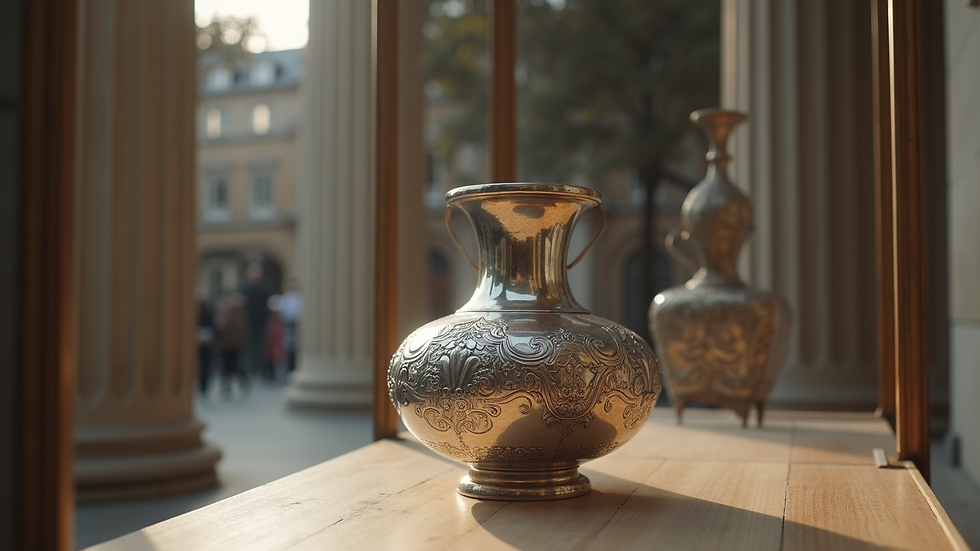
For example, a sterling silver vase made by a renowned silversmith in the early 20th century will likely be worth more than a mass-produced modern piece. Always ask for detailed information about the piece’s background.
Tips for Buying and Selling Silver Art
When buying silver art, patience and due diligence pay off. Here are some tips to keep in mind:
Buy from Trusted Sources
Choose dealers with good reputations and transparent policies.
Inspect Before Purchase
Look for any damage, repairs, or alterations.
Negotiate Price
Don’t hesitate to negotiate, especially in private sales or auctions.
Keep Documentation
Maintain receipts, certificates, and appraisals.
When it comes to selling, timing and presentation matter:
Monitor Market Trends
Sell when silver prices and demand for art are favourable.
Present the Piece Well
Clean and photograph your silver art professionally.
Use Multiple Channels
Consider auctions, dealers, or online platforms.
By following these tips, you can maximise your returns and enjoy a smooth transaction process.
How to Care for Your Silver Art Collection
Proper care ensures your silver art retains its beauty and value over time. Here are some simple care guidelines:
Avoid Exposure to Air and Moisture
Store silver art in airtight containers or anti-tarnish bags.
Clean Gently
Use a soft cloth and mild silver cleaner. Avoid abrasive materials.
Handle with Care
Always hold pieces securely to prevent drops or dents.
Regular Inspection
Check for signs of tarnish or damage and address them promptly.
Professional Maintenance
For valuable or delicate items, consider professional cleaning and restoration.
Taking these steps will keep your collection looking its best and protect your investment.
Embracing Silver Art as a Long-Term Investment
Investing in silver art is not just about quick profits. It is a long-term commitment that combines financial prudence with an appreciation for beauty and history. By carefully selecting pieces, maintaining them well, and staying informed about market trends, you can build a collection that grows in value and brings personal satisfaction.
If you want to explore more about silver art investment, consider visiting trusted online platforms that specialise in precious metals. They offer secure and straightforward ways to buy and sell silver art, making your investment journey easier.
Remember, every piece of silver art tells a story. By investing wisely, you become part of that story, preserving art and value for years to come.


Comments