

A Comprehensive Guide to Beginner Silversmithing Techniques
Updated: Feb 3
Understanding the Basics of Silversmithing
Before diving into the practical side, it’s important to understand what silversmithing involves. Silversmithing is the art of shaping and joining silver to create objects. This can include rings, bracelets, spoons, or decorative items. The process requires patience, precision, and the right tools.
If you want to explore the basics of silversmithing, this resource offers a great introduction to the materials and techniques involved. Silver is a precious metal, so working with it also means understanding its value and how to handle it safely.
Essential Tools for Beginner Silversmithing Techniques
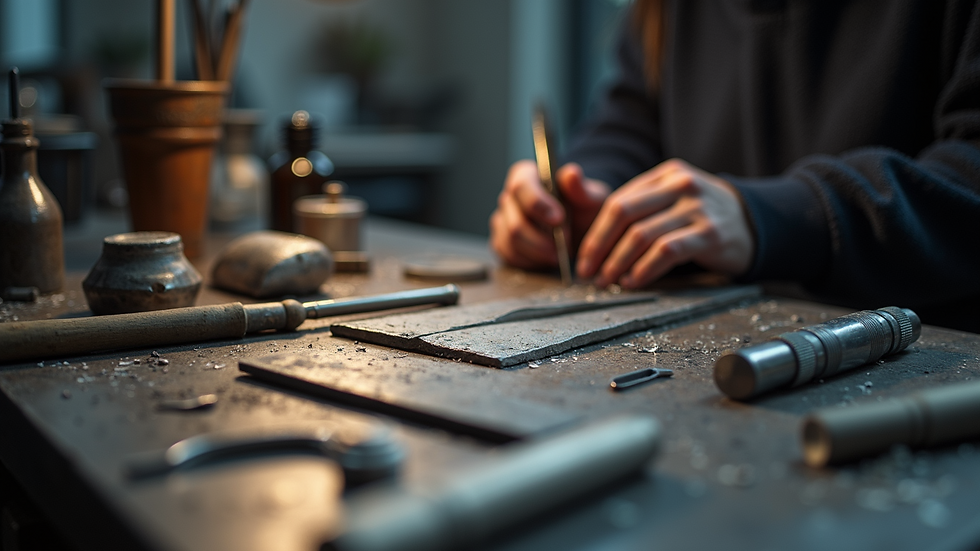
Starting with the right tools makes all the difference. Here are the essential tools you will need:
Jeweller’s saw: For cutting silver sheets and wires.
Files: To smooth edges and shape your pieces.
Pliers: Different types like flat-nose and round-nose for bending and shaping.
Soldering kit: Includes a torch, solder, and flux for joining pieces.
Hammer and anvil: For shaping and texturing silver.
Bench pin: A small wooden support attached to your workbench.
Polishing cloths and compounds: To give your finished piece a shine.
Each tool has a specific role. For example, the jeweller’s saw allows you to cut intricate shapes, while the soldering kit helps you join parts securely. Investing in quality tools will make your work easier and more enjoyable.

Step-by-Step Beginner Silversmithing Techniques
Let’s break down some basic techniques you can practice as a beginner:
Cutting
Use your jeweller’s saw to cut shapes from silver sheets. Start with simple shapes like circles or squares. Keep your saw blade vertical and use smooth, steady strokes.
Filing
After cutting, use files to smooth rough edges. Work slowly and check your progress often. Filing helps prepare your piece for soldering or polishing.
Soldering
This technique joins two pieces of silver. Apply flux to the joint, heat the area with a torch, and add solder. The solder melts and bonds the pieces together. Practice on scrap silver first to get comfortable.
Hammering and Shaping
Use a hammer and anvil to shape your silver. You can flatten, curve, or texture the metal. Hammering also strengthens the silver by hardening it.
Polishing
Finish your piece by polishing it with cloths and compounds. This step brings out the shine and removes any remaining marks.
These techniques form the foundation of silversmithing. Mastering them will allow you to create a wide range of silver items.
Safety Tips for Working with Silver
Working with silver involves heat and sharp tools, so safety is important. Here are some tips to keep in mind:
Always wear safety glasses to protect your eyes.
Work in a well-ventilated area, especially when soldering.
Keep your workspace clean and organised to avoid accidents.
Use heat-resistant surfaces when working with a torch.
Handle tools carefully and store them properly after use.
Following these safety measures will help you enjoy silversmithing without injury.
Tips for Buying and Selling Silver for Silversmithing
If you plan to invest in silver for your projects, it’s wise to understand the market. Buying silver in the right form and quality can save you money and improve your work. Here are some tips:
Purchase silver from trusted dealers to ensure authenticity.
Look for sterling silver (92.5% silver) as it is standard for jewellery and crafts.
Consider buying silver sheets or wires in bulk if you plan to make many pieces.
Keep an eye on silver prices to buy when rates are favourable.
When selling finished pieces, highlight the quality of silver and craftsmanship.
SJWBullion is a reliable online destination for buying and selling precious metals. They offer secure transactions and a wide selection of silver products, making it easier for you to invest wisely.
Moving Forward with Confidence in Silversmithing
Starting silversmithing can feel overwhelming, but with the right approach, it becomes a fulfilling hobby or business. Remember to practice regularly, be patient with your progress, and enjoy the creative process. The skills you develop will open doors to making beautiful, valuable silver items.
If you want to deepen your knowledge, keep exploring resources and connect with other silversmiths. Your journey into silversmithing is just beginning, and every step brings you closer to mastering this timeless craft.
Exploring Advanced Techniques in Silversmithing
Once you have mastered the basics, you may want to explore more advanced techniques. These can include stone setting, engraving, and creating complex designs. Each of these skills adds depth to your work and can enhance the beauty of your pieces.
Stone Setting
Stone setting involves securing gemstones into your silver creations. This technique requires precision and an understanding of different setting styles, such as bezel or prong settings. Practicing on less expensive stones can help you gain confidence before working with more valuable gems.
Engraving
Engraving allows you to add personal touches to your pieces. You can create intricate designs or simple initials. This technique can be done by hand or with the help of engraving tools. It adds a unique flair to your work and can make gifts even more special.
Creating Complex Designs
As you grow more comfortable with basic techniques, challenge yourself to create more complex designs. This might involve combining different techniques, such as soldering multiple pieces together or incorporating various textures. Experimenting with design can lead to innovative and stunning results.
Conclusion: Your Silversmithing Journey Awaits
Embarking on your silversmithing journey is an exciting adventure. With the right tools, techniques, and a commitment to learning, you can create beautiful silver pieces that reflect your unique style. Remember to take your time, practice regularly, and enjoy the process. Each piece you create will be a testament to your growing skills and creativity. Happy crafting!


Comments